
Learn about case studies around the world
There are many examples of community driven development work. These case studies are a small selection. We will continue to add more.

Indonesia and the Kecamatan Development Program (KDP)
Governance & Finance
Indonesia
1997 – Present
Community Based Approach
Challenge Indonesian rural communities suffered under top-down development, weak governance, and corruption, leaving villagers without reliable infrastructure or voice
Approach The Kecamatan Development Project provided block grants via participatory planning at hamlet, village, and subdistrict levels, empowered social facilitators and women delegates, simplified financial procedures, and mandated transparency.
Key Outcomes
- – Delivered over 200,000 infrastructure works—roads, water, and schools
- – Expanded from 48 pilot villages in 1997 to 75,000 by 2014, disbursing U.S. $20 billion in grants
- – Independent reviews showed a 40% drop in fund misuse and a doubling of women’s participation
Impact & Significance Over two decades, KDP reached some 60 million rural Indonesians, reshaping how governments partner with communities and inspiring 170+ World Bank CDD programs worldwide.
Link here for more details

The Poverty Stoplight (Global)
Family-Based Asset Mapping
Paraguay
2019 – Present
Family Based Approach
Challenge Rural communities faced loss of traditional crafts and skills as younger generations migrated to cities, threatening cultural heritage and local economic opportunities.
Approach Family-based mentorship program pairing elders with youth to teach traditional skills (weaving, woodworking, farming techniques) while integrating modern business training.
Key Outcomes
- – 89% of participating youth remained in rural communities
- – 150 traditional skills documented and preserved
- – 34 new family-based micro-enterprises established
Impact & Significance Over 300 families participated, revitalizing traditional knowledge systems while creating sustainable economic opportunities that kept families together in rural areas
Link here for more details
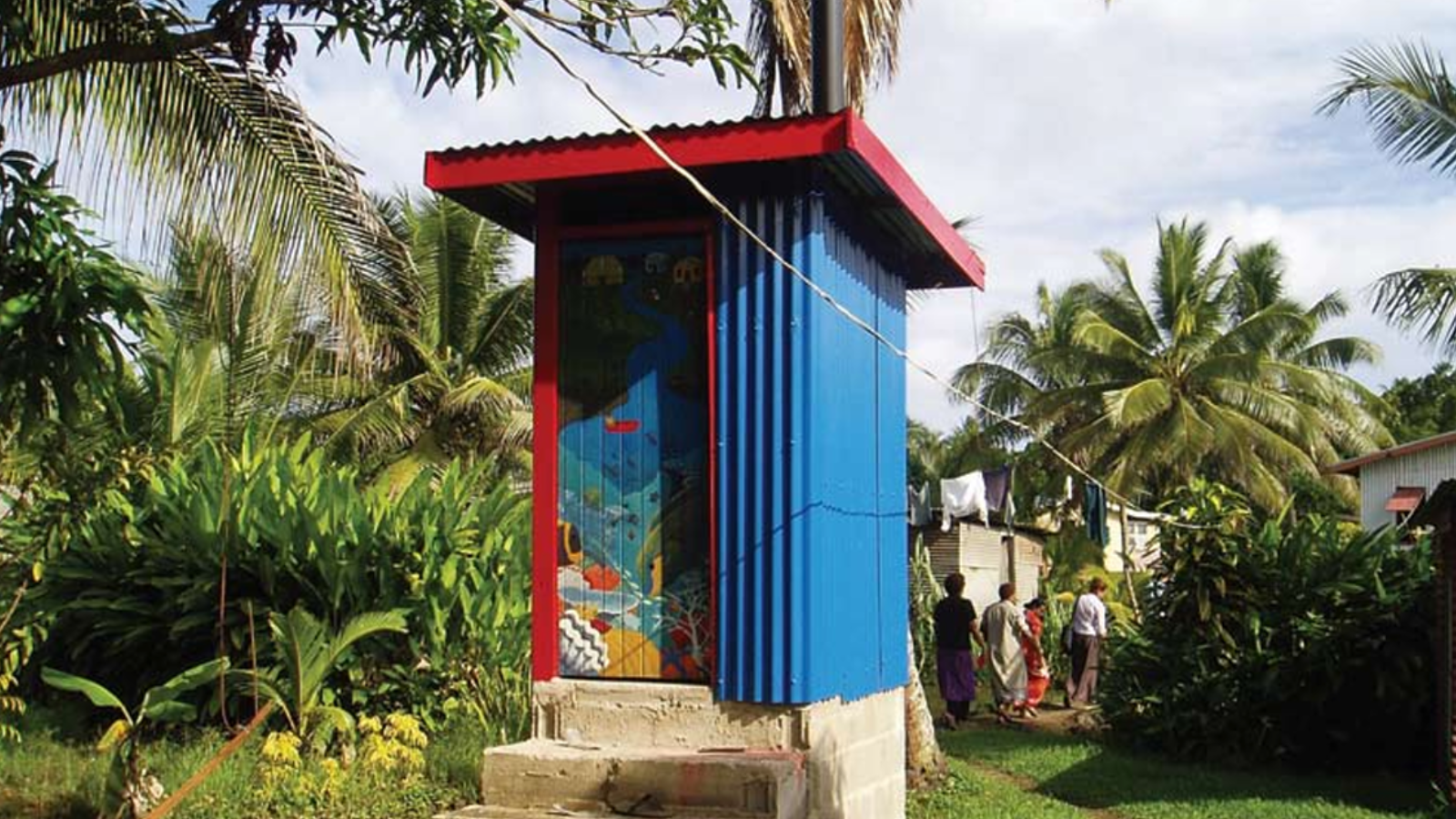
Rural Water Systems Management (Pacific Islands)
Community & Health
Pacific Island Region
2020 – 2023
Technology Approach
Challenge Pacific island countries faced severe sanitation and drinking-water deficits, with only 48% having improved sanitation and 46% accessing safe water, resulting in high diarrheal disease rates and child mortality.
Approach Technology-centered infrastructure development deploying improved sanitation facilities, piped water systems, and water treatment technologies, supported by regional coordination frameworks and technical capacity building programs across multiple countries.
Key Outcomes
- – 1.2 million additional people gained access to improved sanitation facilities between 1990-2006
- – Regional monitoring systems established through WHO-UNICEF Joint Monitoring Programme
- – Water Safety Plans and household water treatment systems implemented across multiple island nation
Impact & Significance In total, over 8.4 million people in Pacific islands gained access to systematic water and sanitation infrastructure, though MDG targets remained unmet, demonstrating both progress and ongoing challenges in technology-based development approaches.
Link here for more details

Participatory Budgeting Initiative (Porto Alegre Model)
Governance & Finance
Urban Communities, Brazil
1989 – Present
Community Based Approach
Challenge Low-income neighborhoods lacked voice in municipal budget decisions, resulting in inadequate infrastructure and services in marginalized communities.
Approach A community-driven democratic process where residents directly decide how to allocate portions of municipal budgets through neighborhood assemblies and delegate councils.
Key Outcomes
- – 98% increase in basic sanitation coverage in participating areas
- – 40,000+ residents actively participate in annual budget decisions
- – Significant improvements in healthcare and education infrastructure
Impact & Significance Model replicated in over 3,000 cities worldwide, demonstrating that community-driven governance can effectively address local needs while strengthening democratic participation.
Link here for more details

Unblocked Cash (Disaster Relief Distribution)
Humanitarian Aid & Finance
Vanuatu & Pacific Region
2020 – 2022
Technology & Blockchain Approach
Challenge Traditional cash assistance delivery to disaster-affected communities was slow, expensive, and lacked transparency, with funds often not reaching intended recipients.
Approach Blockchain-powered digital wallet system enabling direct cash transfers to disaster survivors with community validation networks and transparent fund tracking.
Key Outcomes
- – 87% reduction in aid distribution time (from weeks to hours)
- – 95% of recipients successfully accessed funds via mobile devices
- – Complete transaction transparency and accountability achieved
Impact & Significance Over 10,000 households received direct assistance during COVID-19 and natural disasters, establishing new standards for humanitarian aid delivery in remote communities.
Link here for more details
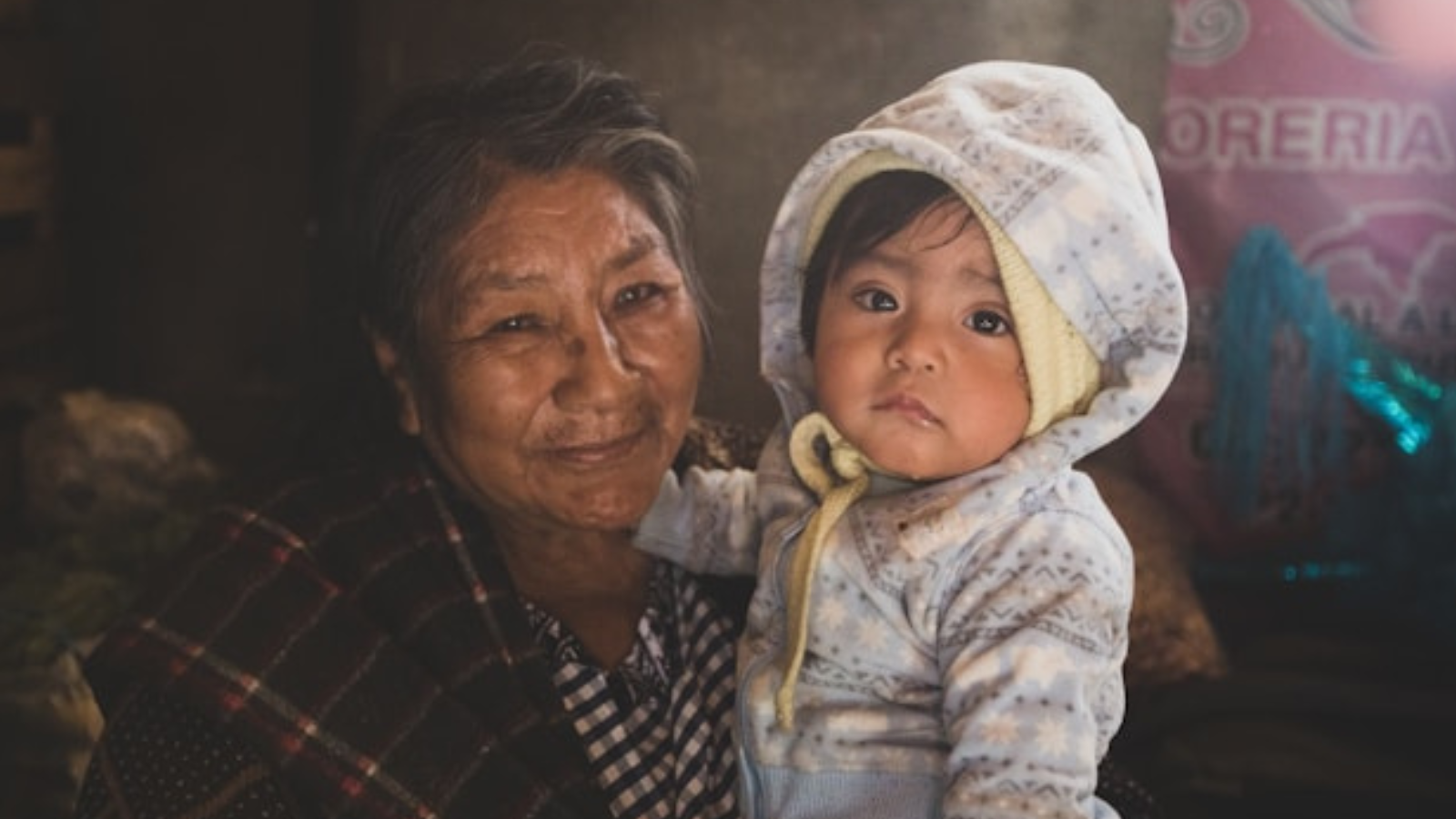
Prospero (formerly Oportunidades)
Direct Household Payments
Rural Communities, Mexico
1997 – 2019
Family Based Approach
Challenge Mexican households in extreme poverty faced chronic malnutrition, low school attendance, poor health outcomes, and limited social and financial inclusion, perpetuating intergenerational poverty.
Approach Prospera delivers targeted cash transfers to mothers, conditional on children’s regular school attendance and health clinic visits. Beneficiary selection is transparent and poverty-focused; cash is paid directly to families. The program embeds strong field presence for community outreach, integrates rigorous impact evaluations to refine design, and links beneficiaries to expanded services—early childhood development, higher education scholarships, vocational training, formal employment support, and financial inclusion.
Key Outcomes
- – 5.8 million families reached nationwide
- – Boys gained an average of 0.85 years of schooling; girls gained 0.65 years
- – Up to one third of rural income poverty reduction attributed to the program
Impact & Significance By conditioning cash on human-capital investments and continuously evaluating results, Prospera transformed Mexico’s social protection landscape and inspired 52 global conditional cash transfer programs. It demonstrates how rigorous, technology-enabled cash incentives, combined with community engagement and service linkages, can sustainably break the cycle of poverty and inform integrated social-information systems for better targeting and inclusion.
Link here for more details

Blockchain-Based Land Registry (Ghana Initiative)
Property Rights & Governance
Rural Ghana
2018 – 2021
Technology & Blockchain Approach
Challenge Unclear land ownership records led to disputes, prevented access to credit, and limited agricultural investment in rural farming communities. Ghana’s land records were stored in centralized paper registries that were unenforceable in court, making it virtually impossible to collateralize property rights, preventing banks from accepting land as collateral and leaving millions unable to leverage their property for loans, perpetuating cycles of poverty.
Approach Blockchain-based land registry and verification platform using BigchainDB technology to create immutable, globally accessible records of land titles and transactions, working with financial institutions to update registries, enable smart transactions, and distribute private keys for automated property transfers.
Key Outcomes
- – 80% reduction in land dispute resolution time
- – 156% increase in agricultural credit access for farmers
- – Enhanced security for women’s land ownership rights
Impact & Significance BenBen created Ghana’s first blockchain-based land registry system addressing endemic property rights issues across Africa, with expansion conversations underway in Nigeria, Mozambique, and Colombia, demonstrating potential to unlock property-based economic opportunities for millions previously excluded from formal financial systems due to unenforceable land records.
Link here for more details
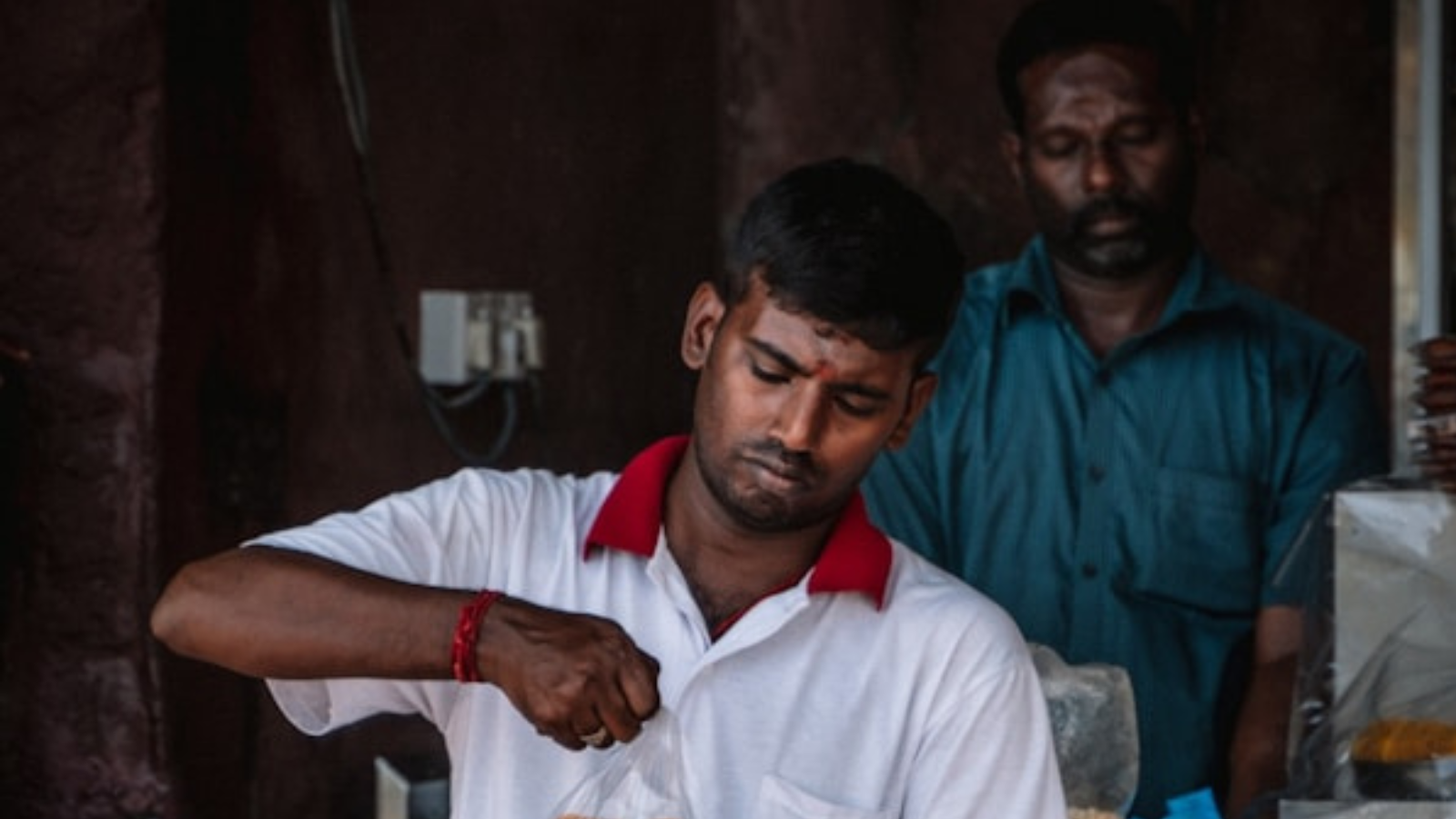
Grameen Bank
Banking & Microloans
Bangladesh
1976 – Present
Market Based Approach
Challenge Bangladesh’s poorest, especially landless women, were locked out of formal banking by collateral requirements and high transaction costs, trapping them in subsistence and indebtedness.
Approach Grameen Bank pioneered doorstep banking in 1976, offering unconditional, collateral-free microloans to self-selected village groups. Borrowers meet weekly to repay, save, and reinforce a social “16 Decisions” code for health, education, and gender equality, while gradually graduating to larger loans and diversified financial services.
Key Outcomes
- – Over 10.71 million borrower-members reached, with cumulative disbursements of USD 40.40 billion in collateral-free loans since inception
- – Awarded the Nobel Peace Prize in 2006 for demonstrating microfinance as a tool for peace and poverty reduction
- – Introduction of savings accounts, pensions, higher-education and housing loans, livestock and enterprise credit, broadening impact beyond basic working-capital loan
Impact & Significance Grameen Bank’s solidarity lending and holistic development model has empowered millions—largely women—to build assets, improve nutrition and schooling, and challenge power imbalances. Its success sparked the global microfinance movement, proving that financial inclusion can be a cornerstone of sustainable poverty alleviation.
Link here for more details
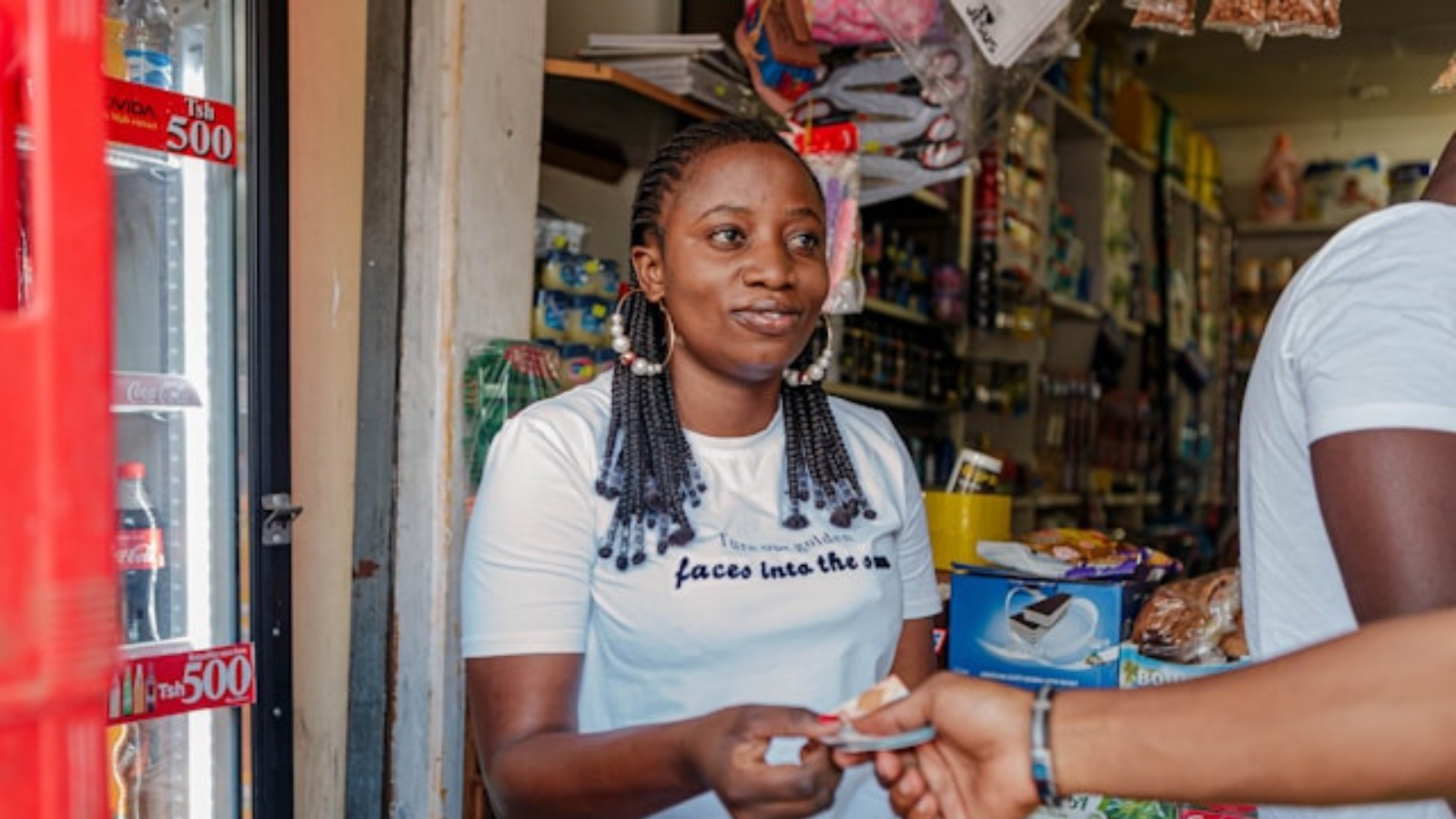
Kenya’s National Safety Net Program (HSNP)
Direct Household Payments
Mexico
2008 – Present
Family Based Approach
Challenge Northern Kenya’s arid and semi-arid lands experienced high food insecurity and recurrent severe droughts, forcing families to depend on emergency food aid or sell livestock for survival, creating a vicious cycle of poverty and weakening livelihoods among extremely poor populations.
Approach Unconditional cash transfer program providing regular bi-monthly payments (5,400 Ksh/~£40) to 100,000 households across four counties (Marsabit, Mandera, Turkana, Wajir), with emergency scaling capacity to reach 250,000 additional households during drought periods, delivered through bank accounts and debit card systems.
Key Outcomes
- – Rigorous mixed-methods evaluation using randomized control trials and quasi-experimental designs across 4,800+ households over multiple years.
- – Comprehensive impact assessment covering poverty, welfare, livelihoods, and local economy effects through household surveys and qualitative research.
- – Policy analysis informing national social protection strategy and fiscal space planning for Kenya’s National Safety Net Program.
Impact & Significance The evaluation provided crucial evidence on cash transfer effectiveness in drought-prone regions, directly informing Kenya’s national social protection policy debates and contributing to international evidence base on unconditional cash transfers, while demonstrating program’s potential to stabilize household consumption and enable sustainable livelihood investments.
Link here for more details